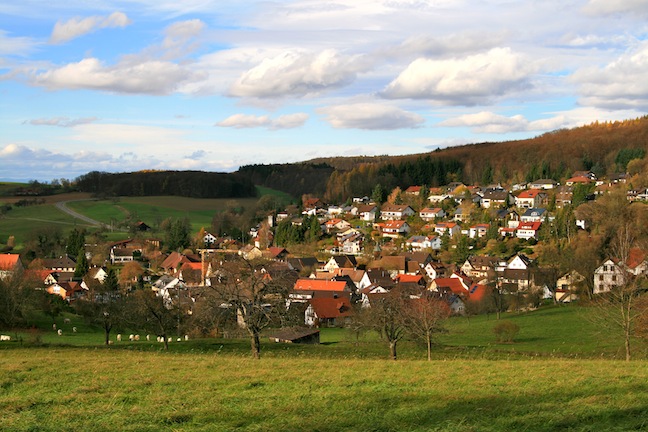
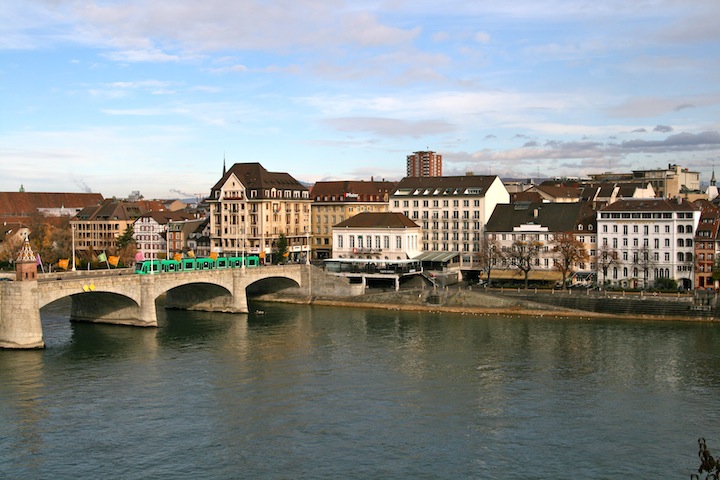
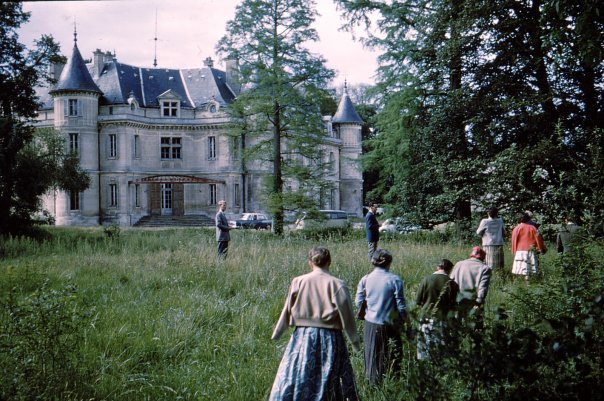
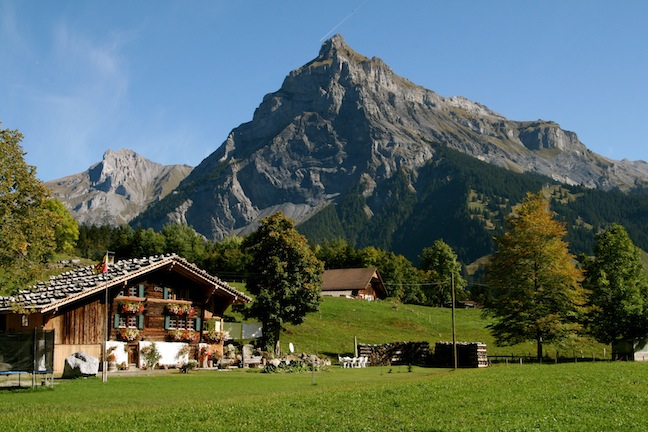
(All photos are of the places that define me.)


There’s no denying it. The most prized
possession of MKs is their multifaceted background. It can occasionally
feel like a burden, but as we grow older, it becomes the banner we hold
high, the anthem we proclaim and the identity we profess. “I am
multi-cultural.” “I am complex.” And the lie: “I must never adapt”
Oh, adapting to the Turkish culture or the Brazilian culture isn’t what
we fear. Adapting to our passport culture, to our “home” culture, and
losing what we think defines us is what we dread.
If we’ve grown up overseas, we follow a fairly predictable pattern:
In our youth, our cultural schizophrenia
can be a burden and a blessing. It makes us feel different, like we
can’t really fit in, but it also gives us a sense of specialness
bordering on “betterness.” Depending on which of those angles we claim,
our response to internationalism will vary.
As we grow up and discover both the
richness of our mixed background and its curiosity-raising appeal, we
begin to embrace the differences that in younger years may have felt
more like barriers between a “normal life” and us. We realize that some
of our most prized and fascinating facets come directly from our
exposure to other worlds and peoples, and we begin to glimpse how our
lives have been expanded and embellished (though, yes, complicated and
upheavaled) by an international, intercultural childhood.

When we reach early adulthood, we begin to
understand the opportunity our internationality affords. We come
fully-loaded with a multi-lingual, inclusive, creatively skilled and
adaptive internal résumé that is prized by recruiters and rewarded by
employers. Our cultural complexity becomes the best we have to offer…if
we don’t drag it around like a ministry-imposed boulder.
And for most MKs who create stateside lives
for themselves, we finally reach that stage of settled adulthood when
the routines of family, career and a local social network begin to
deflate the multicultural pride that has, until then, defined us.
Though it most commonly happens
post-college and family-making, this “deflation” can come at any age,
really. At any point in life when the attributes of an international
upbringing are no longer needed, noticed nor exercised. It’s often in
retrospect that we realize that time and life have dumbed down our
complexity into something appallingly simple. We look around and see,
horror of horrors, that we fit in—or, in negative-speak, that we’ve
conformed. We rebel against that notion, when it comes. We pull out
our old MK-school yearbooks. We find Youtube clips from the cultures
we’ve left behind and get lost in hours of rabid absorption. We call up
old friends who speak our other languages and launch into stumbling
conversations, realizing the vocabulary that used to be instinctive now
requires effort. We cash in some savings and plan a trip to introduce
our families (and reintroduce ourselves) to those smells, savors and
sights that cradled our childhood and wove the fabric of our future.
And though we storm Memory Lane with the desperate hope that it will
restore that feeling of being Utterly Other, we often find that our
multifaceted “specialness” now lies deflated, like a half-filled
balloon, certainly still there, but now devoid of the buoyant immediacy
and militance it once possessed.

And we realize, sometimes painfully, that
the seventh of the “Lies MKs Believe” was never an achievable goal, at
least not without great sacrifice. “I must never adapt.” There’s a
note of defiance in that statement. I even felt it as I typed the
words. In some cases, it becomes a wedge between us and our
mono-cultural friends. We’ll unknowingly sacrifice connection with
others for the security blanket of knowing we’re not one of them. We’re
different. We’re more complex. We’re…superior? There is indeed a
connotation of arrogance in our determination to remain different. That
arrogance is either real or perceived, but we need to be aware of the
message it sends and the consequences it carries.
As impossible-to-live-up-to statements go,
“I must never adapt” is right up there with “I must never gain weight”
and “I must never fall in love.” Good luck with that. As MKs, one of
our greatest strengths is adaptability. And if we live long enough in
one culture, put down roots, find contentment and purpose, we’ll
probably eventually adapt—like it or not. Over time, we won’t wear our
multiple cultures as prominently as we used to nor feel the need to
point them out to those we meet. We’ll settle. That’s another word
fierce MKs loathe.
Is it a bad thing that our multi-cultural
banners sag a little as time moves on? Not at all—though we need to be
careful to nurture that international aspect of ourselves enough that we
don’t lose it entirely (see next paragraph). It is normal and healthy
for us to engage fully in the places and people that surround us today.
If you’re still a dyed-in-the-wool MK, you may feel a little twinge of
rebellion at this next statement: there is nothing wrong with getting
married, having children, buying a house and stocking it with the
requisite dog and flat-screen TV. There is nothing wrong with sticking
to a job that pays the bills and provides satisfaction, with climbing
the corporate ladder, with going on a cruise to celebrate an
anniversary. There is nothing wrong with living an American life, and
there is nothing inferior about it either! (Cue MK groans from around
the globe…)

It’s the “I must never adapt” lie that
makes us so uncomfortable with living “normally” in this culture. I
understand that viscerally. As I prepare to move permanently back to
the States, my greatest fear is that I will lose those labels that are
so dear to me: international, multi-cultural, multi-lingual… What if
people never find out how stimulatingly complex the rest of my life was
before normalcy?
It’s the balance that’s hard to find. I’ve
seen MKs bring their home country with them when they’ve relocated to
the States. I’ve seen them still dress in elements of their traditional
garb and associate solely with other internationals. I’ve even seen
one put on a foreign accent so successfully that he now can’t shake it!
On the other hand, I’ve seen other MKs completely discard any aspect of
themselves still connected to their multiplicity of backgrounds,
blending in to their new culture like a criminal in the witness
protection program.

It can be done right and healthily. The
first step is to recognize how much of our attachment to past identities
has to do with arrogance—feeling superior because we’ve known/seen so
much more. That arrogance must be discarded in order to move forward.
The second step is to enter into our new lives with purpose, to invest
in the people we encounter and build a future that may not be
international, but is still valid and good.
The third step is to somehow remain
connected to our roots… Regular trips back to our other cultures would
help. Making it a point to read in our other languages (on the
Internet, buying foreign books, subscribing to foreign magazines).
Keeping our ears attuned to our other languages. (I listen to French
radio on my iPhone when I’m out walking.) Seeking out or forming social
groups in our area that would allow for occasional reconnection with
past cultures. (I’ve joined a francophone group in Wheaton that meets
once a month for a meal entirely conducted in French.) Telling our
(well, your) children stories about your
growing up years abroad. (Be creative: make up a story and create an
illustrated book using pictures from your childhood, teach them basic
words in your other languages, etc.) There are so many ways to keep
facets of your “previous life” alive even as you engage in the here and
now!
The danger in refusing to adapt is that it
may prevent us from fully experiencing our present. Fear of personal
change could deprive us of growth and belonging. The lie that change
must not occur is impossible to live out while still moving forward. We
will change. Life will change. It’s okay. We are more than the roots
that support us. We’re all that grows from them, wherever they’re
replanted. Who we are TODAY (what we do, what we believe, where we
invest) shapes the fullness of tomorrow, and the complexity of yesterday
lends it texture, color and depth to the person we’ll become.
(For the rest of the “Lies MKs Believe” series, please click here.)

Original article found at http://michelephoenix.com/2011/05/the-lies-mks-believe-7-i-must-never-adapt/


No comments:
Post a Comment